Proposed NDAA Provision Sparks Debate Over U.S.-Israel Military Integration
AI-generated from linked reporting; may contain errors. Report an error.
Overview
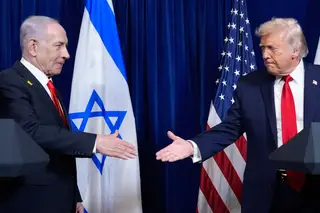
Lawmakers are debating a provision in the 2027 National Defense Authorization Act, designated as Section 224, that would deepen military, technological, and intelligence cooperation between the United States and Israel. While proponents emphasize the strategic value of the alliance, critics argue the measure reduces oversight and compromises American sovereignty.
Where they disagree
- Whether the proposed integration of military and intelligence systems serves U.S. national security interests or prioritizes foreign influence.
- Whether the provision is a strategic necessity for defense procurement or a maneuver to evade public and congressional oversight of aid to Israel.
- The extent to which deeper integration with Israel infringes upon U.S. domestic privacy and constitutional protections.
Where they agree
- Section 224 of the 2027 National Defense Authorization Act contains language aimed at increasing cooperation and intelligence sharing between U.S. and Israeli military forces.
- Representative Ro Khanna introduced an amendment to strip Section 224 from the NDAA, which was subsequently defeated in the House.
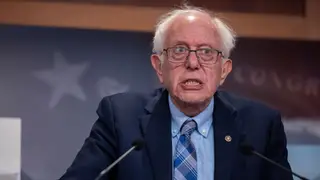
- Senator Bernie Sanders has voiced formal opposition to the inclusion of Section 224 in the defense authorization bill.
Source Perspectives
Framing, emphasis, and tone labels are AI-generated interpretations of how each source covered this story — not direct quotations. Report an error.
Left
6 sources
Jimmy DoreFrames the legislation as a deceptive 'backdoor' scheme to maintain funding for Israel while obscuring it from public view.
strong
Frames the legislation as a deceptive 'backdoor' scheme to maintain funding for Israel while obscuring it from public view.
FramingFrames the legislation as a deceptive 'backdoor' scheme to maintain funding for Israel while obscuring it from public view.
EmphasisThe use of 'joint defense' language to mask the true nature of foreign aid.
ToneConspiratorial and highly critical.
Coverage from this source

Kim IversenEmphasizes the loss of American sovereignty and fears of secretive foreign control over national security infrastructure.
strong
Emphasizes the loss of American sovereignty and fears of secretive foreign control over national security infrastructure.
FramingEmphasizes the loss of American sovereignty and fears of secretive foreign control over national security infrastructure.
EmphasisConcerns over the erosion of independent U.S. decision-making and the influence of private firms and foreign intelligence.
ToneAlarmist and critical.


MintPress NewsFrames the fusion of systems as a permanent, problematic shift that erodes U.S. domestic oversight.
strong
Frames the fusion of systems as a permanent, problematic shift that erodes U.S. domestic oversight.
FramingFrames the fusion of systems as a permanent, problematic shift that erodes U.S. domestic oversight.
EmphasisThe technological components of the integration, such as AI and supply chain dependencies.
ToneAnalytical and critical.
Coverage from this source
The Majority ReportFocuses on bureaucratic maneuvering, characterizing the integration as a way to bypass democratic accountability.
strong
Focuses on bureaucratic maneuvering, characterizing the integration as a way to bypass democratic accountability.
FramingFocuses on bureaucratic maneuvering, characterizing the integration as a way to bypass democratic accountability.
EmphasisThe shift of oversight from Congress to the Pentagon.
ToneAnalytical and critical.
Coverage from this source

The Young TurksHighlights the 'corruption' of the process, framing the legislation as a result of foreign lobbying that ignores the American public's will.
strong
Highlights the 'corruption' of the process, framing the legislation as a result of foreign lobbying that ignores the American public's will.
FramingHighlights the 'corruption' of the process, framing the legislation as a result of foreign lobbying that ignores the American public's will.
EmphasisThe influence of Tom Cotton and the perceived subservience of Congress to foreign interests.
ToneHighly critical and impassioned.


TruthoutFocuses on the reduction of transparency and oversight, framing the move as an attempt to shield military aid from public scrutiny.
strong
Focuses on the reduction of transparency and oversight, framing the move as an attempt to shield military aid from public scrutiny.
FramingFocuses on the reduction of transparency and oversight, framing the move as an attempt to shield military aid from public scrutiny.
EmphasisThe lobbying influence of the Israeli government and the defeat of reform-minded amendments.
ToneAnalytical and critical.


Center / Mixed
2 sources
The Daily SignalFocuses on the legislative conflict, framing the opposition as a challenge to established bipartisan security priorities.
Focuses on the legislative conflict, framing the opposition as a challenge to established bipartisan security priorities.
FramingFocuses on the legislative conflict, framing the opposition as a challenge to established bipartisan security priorities.
EmphasisSenator Bernie Sanders' specific objections regarding diplomatic parity and defense procurement.
ToneObjective and descriptive.
Coverage from this source
Washington TimesProvides a factual summary of the legislative text regarding intelligence sharing and executive power.
Provides a factual summary of the legislative text regarding intelligence sharing and executive power.
FramingProvides a factual summary of the legislative text regarding intelligence sharing and executive power.
EmphasisThe specific requirement that limits the president's ability to suspend security exchanges.
ToneNeutral and reporting-focused.
Coverage from this source
Right
3 sources
The American ConservativeFrames the policy as an improper conflation of American interests with foreign agendas, focusing on the potential for foreign components to compromise U.S. supply chains.
leans
Frames the policy as an improper conflation of American interests with foreign agendas, focusing on the potential for foreign components to compromise U.S. supply chains.
FramingFrames the policy as an improper conflation of American interests with foreign agendas, focusing on the potential for foreign components to compromise U.S. supply chains.
EmphasisPrioritization of U.S.-specific national interests over foreign alliances.
ToneOpinionated and critical.
Coverage from this source
The Libertarian InstituteFrames the integration as a dangerous expansion of the military-industrial complex that requires grassroots opposition.
strong
Frames the integration as a dangerous expansion of the military-industrial complex that requires grassroots opposition.
FramingFrames the integration as a dangerous expansion of the military-industrial complex that requires grassroots opposition.
EmphasisThe role of the Quincy Institute and the dangers of combined military-industrial systems.
ToneCritical and activist-oriented.
Coverage from this source
The Ron Paul InstituteFrames any integration as a direct threat to U.S. national independence and a violation of non-interventionist principles.
strong
Frames any integration as a direct threat to U.S. national independence and a violation of non-interventionist principles.
FramingFrames any integration as a direct threat to U.S. national independence and a violation of non-interventionist principles.
EmphasisThe 'America Last' nature of the provision and the danger of foreign entanglements.
ToneOpinionated and critical.
Coverage from this source
Editorial note: The provided coverage is heavily weighted toward anti-interventionist and progressive outlets, with limited representation of the legislative or executive branch perspectives supporting the measure.