U.S. and Iran Pause Military Strikes Amid Strategic Uncertainty
AI-generated from linked reporting; may contain errors. Report an error.
Overview
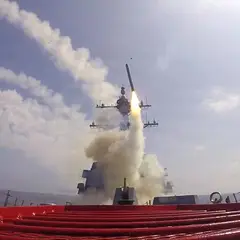
The United States and Iran have temporarily ceased direct military strikes following months of hostilities that left significant infrastructure damage and personnel casualties. While the current pause is attributed to diplomatic overtures and resource constraints, analysts and officials remain divided on the long-term status of military readiness and the administration's ultimate strategic objectives.
Where they disagree
- Whether military de-escalation is primarily driven by tactical munitions shortages or intentional diplomatic strategy.
- The extent to which current administration officials are providing transparent and consistent information regarding military readiness.
- The effectiveness and strategic logic of Iran’s long-term military approach versus U.S. defensive capabilities.
Where they agree
- A temporary pause in direct military strikes between the U.S. and Iran has been observed.
- Department of Defense data records multiple U.S. military casualties, including deaths and injuries, occurring since early July.
- Concerns exist regarding the sustainability of U.S. air defense stockpiles and munitions during sustained regional conflicts.
Source Perspectives
Framing, emphasis, and tone labels are AI-generated interpretations of how each source covered this story — not direct quotations. Report an error.
Left
11 sources
Antiwar.comProvides detailed reporting on the specific toll of the conflict in terms of casualties.
leans
Provides detailed reporting on the specific toll of the conflict in terms of casualties.
FramingProvides detailed reporting on the specific toll of the conflict in terms of casualties.
EmphasisEmpirical data on deaths and injuries of U.S. personnel.
ToneReportorial
Coverage from this source
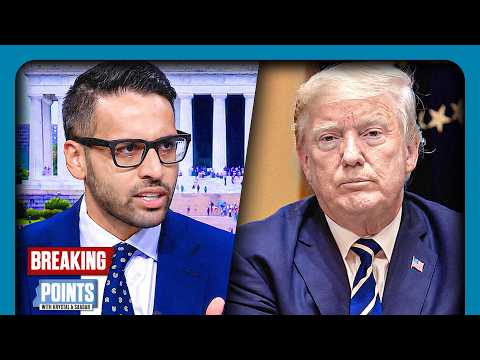
Breaking PointsCritiques the establishment-led foreign policy that has led to military exhaustion.
leans
Critiques the establishment-led foreign policy that has led to military exhaustion.
FramingCritiques the establishment-led foreign policy that has led to military exhaustion.
EmphasisResource depletion and critical questioning of neocon influence.
TonePopulist/Anti-interventionist


CounterPunchArgues that market volatility and oil prices are direct consequences of political manipulation regarding the war.
leans
Argues that market volatility and oil prices are direct consequences of political manipulation regarding the war.
FramingArgues that market volatility and oil prices are direct consequences of political manipulation regarding the war.
EmphasisEconomic impact of political decisions.
ToneCritical
Coverage from this source
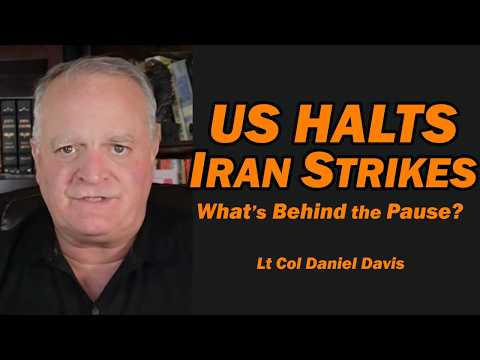
Daniel DavisHighlights Iran's superior strategic adaptability and the resulting disadvantage for U.S. forces.
leans
Highlights Iran's superior strategic adaptability and the resulting disadvantage for U.S. forces.
FramingHighlights Iran's superior strategic adaptability and the resulting disadvantage for U.S. forces.
EmphasisMilitary intelligence, precision strike capabilities, and force protection vulnerabilities.
ToneAnalytical
Coverage from this source







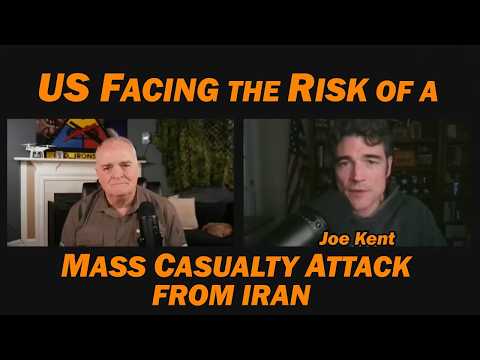


Drop Site NewsEmphasizes the strategic failure of U.S. air defense systems and poor military coordination with regional allies.
leans
Emphasizes the strategic failure of U.S. air defense systems and poor military coordination with regional allies.
FramingEmphasizes the strategic failure of U.S. air defense systems and poor military coordination with regional allies.
EmphasisTechnological and strategic shortcomings in U.S. defense infrastructure.
ToneCritical
Coverage from this source
Watch


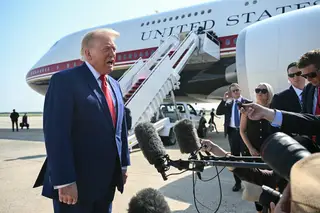
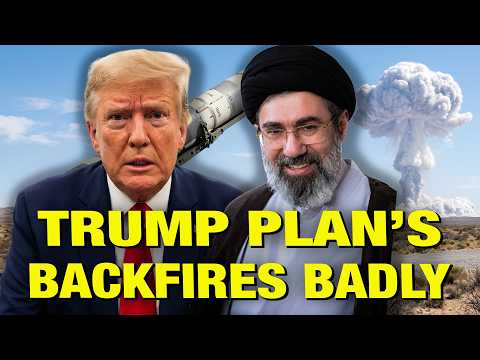
Jimmy DoreFrames U.S. aggression as a driver of global instability and nuclear proliferation.
leans
Frames U.S. aggression as a driver of global instability and nuclear proliferation.
FramingFrames U.S. aggression as a driver of global instability and nuclear proliferation.
EmphasisAnti-interventionism and the dangers of U.S. foreign policy.
ToneCritical
Coverage from this source



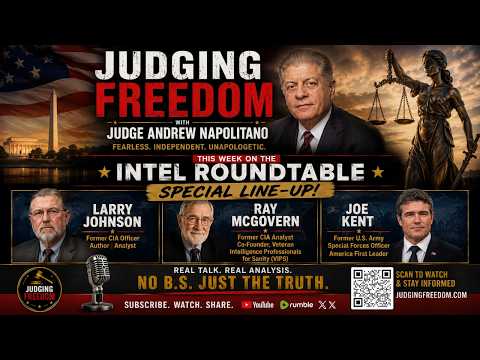
Judge NapolitanoQuestions the constitutionality of U.S. military operations and notes the influence of economic pressures on de-escalation.
leans
Questions the constitutionality of U.S. military operations and notes the influence of economic pressures on de-escalation.
FramingQuestions the constitutionality of U.S. military operations and notes the influence of economic pressures on de-escalation.
EmphasisConstitutional authority and the legitimacy of government force.
ToneLibertarian
Coverage from this source




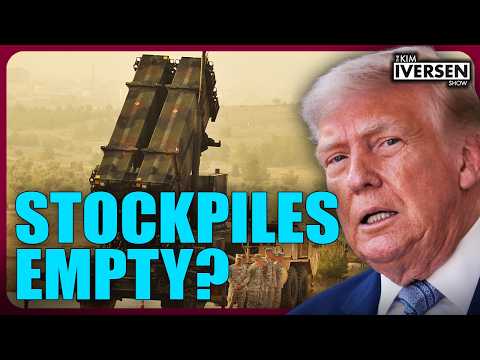
Kim IversenFocuses on discrepancies between official government narratives and reports of military depletion.
leans
Focuses on discrepancies between official government narratives and reports of military depletion.
FramingFocuses on discrepancies between official government narratives and reports of military depletion.
EmphasisInstitutional credibility and potential government obfuscation.
ToneSkeptical


The Majority ReportCenters the human toll of the conflict and critical evaluation of U.S. military involvement.
leans
Centers the human toll of the conflict and critical evaluation of U.S. military involvement.
FramingCenters the human toll of the conflict and critical evaluation of U.S. military involvement.
EmphasisCasualty figures and the cost of engagement.
ToneCritical
Coverage from this source



The Ron Paul InstituteViews the conflict as a result of unsustainable U.S. interventionism and exhausted strategic options.
leans
Views the conflict as a result of unsustainable U.S. interventionism and exhausted strategic options.
FramingViews the conflict as a result of unsustainable U.S. interventionism and exhausted strategic options.
EmphasisNon-interventionism and the limits of U.S. military power.
ToneCritical
The Young TurksFrames the Trump administration's policy as the primary catalyst for regional instability.
leans
Frames the Trump administration's policy as the primary catalyst for regional instability.
FramingFrames the Trump administration's policy as the primary catalyst for regional instability.
EmphasisCritique of U.S. interventionism and Iranian strategic endurance.
ToneCritical



Center / Mixed
6 sources
BreitbartFocuses on the cessation of hostilities and the move toward negotiations.
Focuses on the cessation of hostilities and the move toward negotiations.
FramingFocuses on the cessation of hostilities and the move toward negotiations.
EmphasisGeopolitical stability and diplomacy.
ToneNeutral
Coverage from this source
Reason MagazineFocuses on the lack of transparency from the administration regarding logistical military failures.
Focuses on the lack of transparency from the administration regarding logistical military failures.
FramingFocuses on the lack of transparency from the administration regarding logistical military failures.
EmphasisGovernment accountability and consistent messaging.
ToneSkeptical




The American ConservativeProvides an update on the status of the regional conflict and peripheral escalations.
Provides an update on the status of the regional conflict and peripheral escalations.
FramingProvides an update on the status of the regional conflict and peripheral escalations.
EmphasisDiplomatic developments and ongoing regional stability.
ToneNeutral
Coverage from this source
The BulwarkCriticizes the lack of defined strategic goals in current administration policy.
Criticizes the lack of defined strategic goals in current administration policy.
FramingCriticizes the lack of defined strategic goals in current administration policy.
EmphasisPolitical accountability and strategic clarity.
ToneAnalytical
The HillReports on the dual focus of military de-escalation and domestic manufacturing agenda.
Reports on the dual focus of military de-escalation and domestic manufacturing agenda.
FramingReports on the dual focus of military de-escalation and domestic manufacturing agenda.
EmphasisOfficial administrative priorities.
ToneNeutral
Coverage from this source






Washington TimesReports on the President's ambiguity regarding specific military targeting tactics.
Reports on the President's ambiguity regarding specific military targeting tactics.
FramingReports on the President's ambiguity regarding specific military targeting tactics.
EmphasisGovernment transparency and legal ambiguity.
ToneReportorial
Coverage from this source

Right
3 sources
Just the NewsHighlights the administration's firm stance and readiness to use force if diplomacy fails.
leans
Highlights the administration's firm stance and readiness to use force if diplomacy fails.
FramingHighlights the administration's firm stance and readiness to use force if diplomacy fails.
EmphasisAssertive foreign policy positioning.
ToneReportorial
Coverage from this source



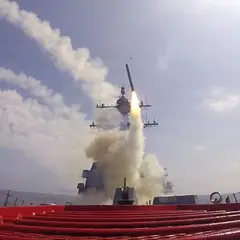
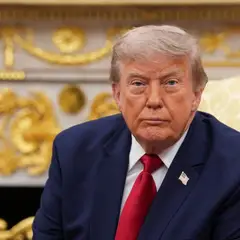
The Daily CallerSupports sustained engagement and highlights the need for better party communication.
leans
Supports sustained engagement and highlights the need for better party communication.
FramingSupports sustained engagement and highlights the need for better party communication.
EmphasisGOP unity and strategic necessity of intervention.
ToneSupportive
Coverage from this source
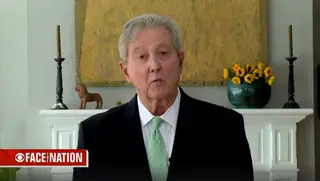
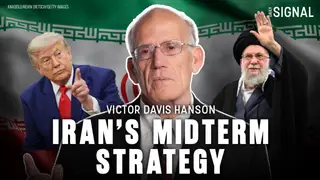
The Daily SignalAdvocates for decisive military action to neutralize nuclear and infrastructure threats.
leans
Advocates for decisive military action to neutralize nuclear and infrastructure threats.
FramingAdvocates for decisive military action to neutralize nuclear and infrastructure threats.
EmphasisStrategic realism and the necessity of preventing the Iranian regime from outlasting U.S. resolve.
ToneConservative analysis
Coverage from this source
Watch


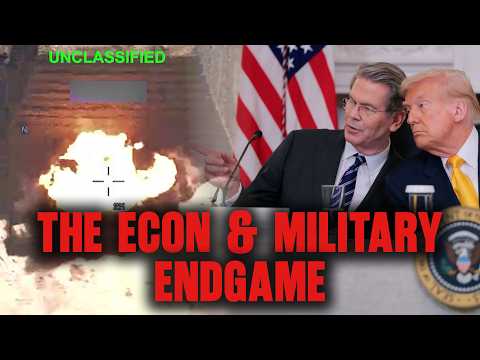


Read

Editorial note: This synthesis is based on a representative sample of the cluster's total coverage.