U.S. and Iran Reach Potential Agreement to End Conflict
AI-generated from linked reporting; may contain errors. Report an error.
Overview
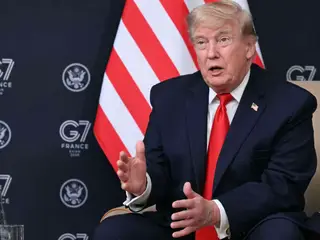
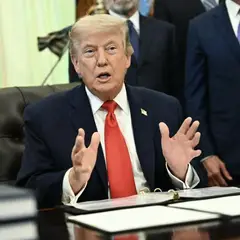
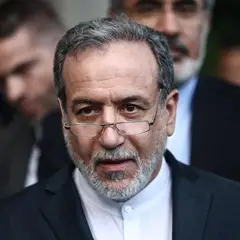
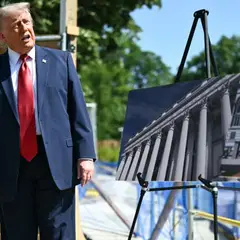
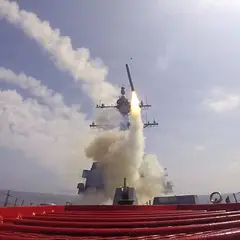
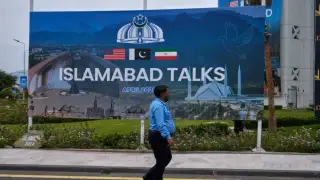
The United States and Iran have reached a preliminary peace agreement aimed at ending hostilities and reopening the Strait of Hormuz. While the deal has triggered a drop in domestic gasoline prices, significant skepticism remains regarding the long-term viability of the agreement given regional tensions and domestic political opposition.
Where they disagree
- Whether the current diplomatic effort represents a genuine shift in policy or a repetition of previous Obama-era strategies
- Whether structural economic and logistical hurdles will prevent a return to pre-crisis energy market conditions
- Whether the deal is likely to succeed or face collapse due to Israeli opposition and U.S. internal political volatility
Where they agree
- The U.S. and Iran have engaged in negotiations regarding the conflict and the Strait of Hormuz
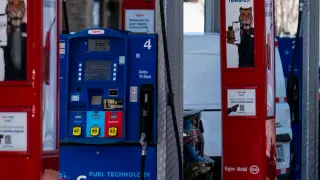
- National average gasoline prices in the U.S. have declined below $4 per gallon
- A formal signing ceremony for the peace deal is tentatively scheduled for Friday in Switzerland
Source Perspectives
Framing, emphasis, and tone labels are AI-generated interpretations of how each source covered this story — not direct quotations. Report an error.
Left
8 sources
Daniel DavisArgues that current U.S. foreign policy and financial strategies are fundamentally destabilizing globally.
leans
Argues that current U.S. foreign policy and financial strategies are fundamentally destabilizing globally.
FramingArgues that current U.S. foreign policy and financial strategies are fundamentally destabilizing globally.
EmphasisInstitutional credibility and economic policy.
ToneCritical
Coverage from this source


HasanabiSkeptical of official narratives and highlights the influence of Israeli opposition as a major hurdle.
strong
Skeptical of official narratives and highlights the influence of Israeli opposition as a major hurdle.
FramingSkeptical of official narratives and highlights the influence of Israeli opposition as a major hurdle.
EmphasisPolitical transparency and power dynamics.
ToneCritical
Coverage from this source


Jimmy DoreDismisses neoconservative opposition as war-mongering and criticizes the ruling class for distracting the public from domestic issues.
leans
Dismisses neoconservative opposition as war-mongering and criticizes the ruling class for distracting the public from domestic issues.
FramingDismisses neoconservative opposition as war-mongering and criticizes the ruling class for distracting the public from domestic issues.
EmphasisNeoconservative influence and the American middle class.
TonePopulist and combative


Judge NapolitanoAdvocates for diplomacy over force, citing economic realities as the primary driver for peace.
leans
Advocates for diplomacy over force, citing economic realities as the primary driver for peace.
FramingAdvocates for diplomacy over force, citing economic realities as the primary driver for peace.
EmphasisStrategic necessity of diplomacy.
ToneAnalytical


The Libertarian InstituteExpresses profound doubt regarding the longevity of the deal and the reliability of the current administration.
leans
Expresses profound doubt regarding the longevity of the deal and the reliability of the current administration.
FramingExpresses profound doubt regarding the longevity of the deal and the reliability of the current administration.
EmphasisPolitical skepticism.
ToneCritical
Coverage from this source
The Majority ReportAggressively questions the reliability of Trump's diplomatic claims by citing past records.
strong
Aggressively questions the reliability of Trump's diplomatic claims by citing past records.
FramingAggressively questions the reliability of Trump's diplomatic claims by citing past records.
EmphasisPolitical rhetoric and credibility.
ToneCritical


The Young TurksFocuses on Israeli political opposition to the deal as a destructive, anti-peace force.
leans
Focuses on Israeli political opposition to the deal as a destructive, anti-peace force.
FramingFocuses on Israeli political opposition to the deal as a destructive, anti-peace force.
EmphasisIsraeli political figures and influence.
ToneCritical


TruthoutChallenges the U.S. narrative for war by highlighting pre-existing Iranian commitments.
leans
Challenges the U.S. narrative for war by highlighting pre-existing Iranian commitments.
FramingChallenges the U.S. narrative for war by highlighting pre-existing Iranian commitments.
EmphasisHistorical context and contradictions in U.S. justifications for war.
ToneAnalytical

Center / Mixed
9 sources
Antiwar.comNeutral transmission of third-party verification of the deal.
Neutral transmission of third-party verification of the deal.
FramingNeutral transmission of third-party verification of the deal.
EmphasisDiplomatic confirmation.
ToneReporting
Coverage from this source
Breaking PointsMaintains skepticism regarding immediate economic recovery despite the truce.
Maintains skepticism regarding immediate economic recovery despite the truce.
FramingMaintains skepticism regarding immediate economic recovery despite the truce.
EmphasisStructural logistics and supply chain challenges.
ToneSkeptical


BreitbartFocuses on the factual decline of fuel prices without heavy geopolitical analysis.
Focuses on the factual decline of fuel prices without heavy geopolitical analysis.
FramingFocuses on the factual decline of fuel prices without heavy geopolitical analysis.
EmphasisConsumer-facing economic data.
ToneNeutral
Coverage from this source
Just the NewsFocuses on regional conflicts, specifically in Lebanon, as potential obstacles to success.
Focuses on regional conflicts, specifically in Lebanon, as potential obstacles to success.
FramingFocuses on regional conflicts, specifically in Lebanon, as potential obstacles to success.
EmphasisGeopolitical complications.
ToneReporting
Coverage from this source
The Daily CallerHighlights internal political friction within the right regarding Trump's move away from interventionism.
Highlights internal political friction within the right regarding Trump's move away from interventionism.
FramingHighlights internal political friction within the right regarding Trump's move away from interventionism.
EmphasisInternal political conflict.
ToneObjective
Coverage from this source
The Daily SignalReports on the mechanics of the deal and the lifting of blockades.
Reports on the mechanics of the deal and the lifting of blockades.
FramingReports on the mechanics of the deal and the lifting of blockades.
EmphasisPolicy details.
ToneReporting


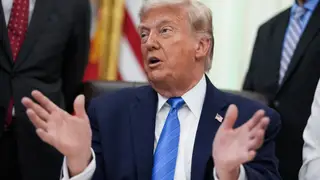
The Free PressAggregates diverse viewpoints to evaluate the broader strategic costs of the conflict.
Aggregates diverse viewpoints to evaluate the broader strategic costs of the conflict.
FramingAggregates diverse viewpoints to evaluate the broader strategic costs of the conflict.
EmphasisExpert debate.
ToneBalanced
Coverage from this source
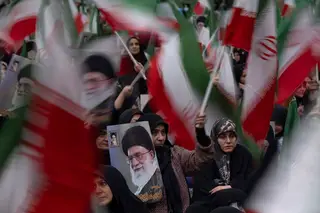
The HillNeutral reporting focusing on the tangible economic outcomes of the diplomatic agreement.
Neutral reporting focusing on the tangible economic outcomes of the diplomatic agreement.
FramingNeutral reporting focusing on the tangible economic outcomes of the diplomatic agreement.
EmphasisGas prices and market developments.
ToneNeutral
Coverage from this source

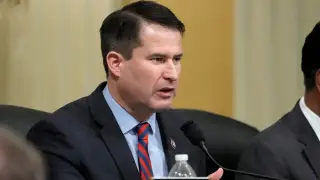
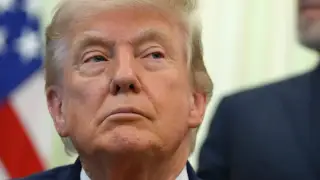



Washington TimesReports on the causal link between the peace pact and lower energy costs.
Reports on the causal link between the peace pact and lower energy costs.
FramingReports on the causal link between the peace pact and lower energy costs.
EmphasisGeopolitical impacts on domestic markets.
ToneNeutral
Coverage from this source


Right
3 sources
The American ConservativeReports on the deal's finalization and official developments.
leans
Reports on the deal's finalization and official developments.
FramingReports on the deal's finalization and official developments.
EmphasisExecutive policy execution.
ToneReporting
Coverage from this source
The BulwarkCritiques the administration for perceived hypocrisy in adopting strategies similar to those previously criticized.
leans
Critiques the administration for perceived hypocrisy in adopting strategies similar to those previously criticized.
FramingCritiques the administration for perceived hypocrisy in adopting strategies similar to those previously criticized.
EmphasisPolitical messaging and historical consistency.
ToneCritical
Coverage from this source
The Ron Paul InstituteCritiques the U.S. government for creating the economic crisis through interventionist policy, viewing the current deal as a reactive, flawed measure.
leans
Critiques the U.S. government for creating the economic crisis through interventionist policy, viewing the current deal as a reactive, flawed measure.
FramingCritiques the U.S. government for creating the economic crisis through interventionist policy, viewing the current deal as a reactive, flawed measure.
EmphasisExecutive accountability and economic instability.
ToneCritical
Editorial note: This synthesis is based on a representative sample of the cluster's coverage.