Israel and Hezbollah Clashes Continue as Ceasefire Negotiations Falter
AI-generated from linked reporting; may contain errors. Report an error.
Overview
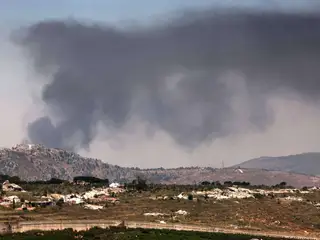
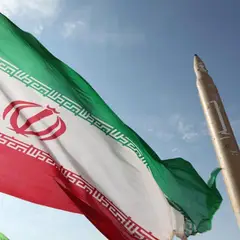
Ongoing hostilities between Israeli forces and Hezbollah have surged, jeopardizing diplomatic efforts led by the United States and Iran to establish a sustainable ceasefire. The situation is complicated by disagreements between Washington and the Israeli government regarding military conduct and regional strategy.
Where they disagree
- Whether the Syrian government possesses the capacity or legitimacy to effectively neutralize Hezbollah.
- The extent to which the Lebanese population views the central government versus armed resistance groups as their legitimate representative.
- Whether recent Israeli military strikes are a tactical necessity or a deliberate attempt to sabotage U.S.-led diplomatic negotiations.
Where they agree
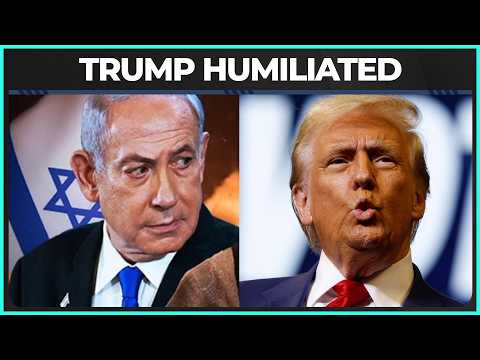
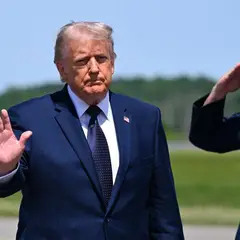
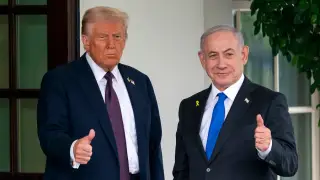
- Donald Trump has publicly expressed frustration with Benjamin Netanyahu regarding the timing and nature of Israeli strikes in Lebanon.
- Ceasefire agreements between Israel and regional actors are currently experiencing significant instability and frequent violations.
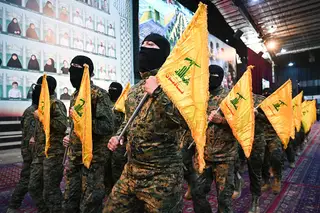
- Hezbollah continues to engage in active military operations against Israeli forces in southern Lebanon.
Source Perspectives
Framing, emphasis, and tone labels are AI-generated interpretations of how each source covered this story — not direct quotations. Report an error.
Left
11 sources
Antiwar.comFocuses on the human cost of military actions and views Israeli strikes as violations of international norms.
leans
Focuses on the human cost of military actions and views Israeli strikes as violations of international norms.
FramingFocuses on the human cost of military actions and views Israeli strikes as violations of international norms.
EmphasisIsraeli military actions in civilian areas and the breakdown of ceasefire agreements.
ToneCritical and reporting-focused.
Coverage from this source
CounterPunchCritiques Israeli tactics as repeating destructive, ineffective patterns seen in previous conflicts.
strong
Critiques Israeli tactics as repeating destructive, ineffective patterns seen in previous conflicts.
FramingCritiques Israeli tactics as repeating destructive, ineffective patterns seen in previous conflicts.
EmphasisThe cyclical nature of military failure and the inadequacy of regional policies.
ToneCritical and analytical.
Coverage from this source
Daniel DavisArgues that the U.S. has lost influence over regional allies and that Iran is effectively outplaying Western diplomacy.
leans
Argues that the U.S. has lost influence over regional allies and that Iran is effectively outplaying Western diplomacy.
FramingArgues that the U.S. has lost influence over regional allies and that Iran is effectively outplaying Western diplomacy.
EmphasisFailure of U.S. leverage and the independent military policy of Israel.
ToneAnalytical and critical.

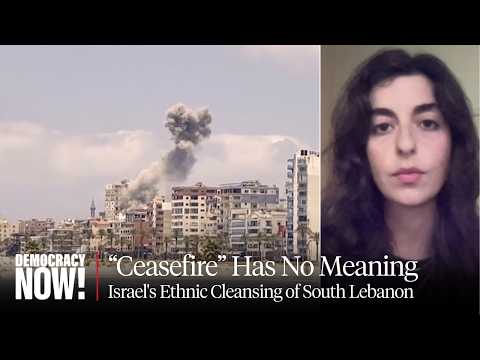
Democracy Now!Centers the human cost and argues that military operations are being used as a tool to suppress information.
strong
Centers the human cost and argues that military operations are being used as a tool to suppress information.
FramingCenters the human cost and argues that military operations are being used as a tool to suppress information.
EmphasisThe targeted killing of journalists and the suppression of media reporting in conflict zones.
ToneInvestigative and critical.
Coverage from this source
Watch


Read
Drop Site NewsCritiques the international community's prioritization of Lebanon over the ongoing humanitarian crisis in Gaza.
leans
Critiques the international community's prioritization of Lebanon over the ongoing humanitarian crisis in Gaza.
FramingCritiques the international community's prioritization of Lebanon over the ongoing humanitarian crisis in Gaza.
EmphasisRegional displacement, diplomatic conditions set by Iran, and the neglect of Gaza.
ToneCritical and analytical.
Coverage from this source
Watch


HasanabiViews Israeli military actions as deliberate attempts by Benjamin Netanyahu to maintain regional dominance by sabotaging peace.
strong
Views Israeli military actions as deliberate attempts by Benjamin Netanyahu to maintain regional dominance by sabotaging peace.
FramingViews Israeli military actions as deliberate attempts by Benjamin Netanyahu to maintain regional dominance by sabotaging peace.
EmphasisNetanyahu's personal role in escalating conflict and the perceived lack of U.S. control over its ally.
ToneCommentary and highly critical.
Coverage from this source


MintPress NewsPortrays Hezbollah as an effective military force influencing regional power dynamics and challenges U.S.-Israel strategic alignment.
strong
Portrays Hezbollah as an effective military force influencing regional power dynamics and challenges U.S.-Israel strategic alignment.
FramingPortrays Hezbollah as an effective military force influencing regional power dynamics and challenges U.S.-Israel strategic alignment.
EmphasisHezbollah's tactical successes and the shifting motivations behind U.S.-Iran negotiations.
ToneCritical and analytical.
The GrayzoneAmplifies local voices that reject the Lebanese government and instead support resistance groups as the only legitimate authority.
strong
Amplifies local voices that reject the Lebanese government and instead support resistance groups as the only legitimate authority.
FramingAmplifies local voices that reject the Lebanese government and instead support resistance groups as the only legitimate authority.
EmphasisPublic demonstrations against U.S. and Israeli intervention.
ToneCommentary and activist-oriented.


The Ron Paul InstituteArgues that ceasefire agreements are traps intended to provoke conflict, with Iran acting as the defensive party.
strong
Argues that ceasefire agreements are traps intended to provoke conflict, with Iran acting as the defensive party.
FramingArgues that ceasefire agreements are traps intended to provoke conflict, with Iran acting as the defensive party.
EmphasisDiplomatic deception and the critique of U.S./Israeli foreign policy motivations.
ToneCommentary and highly critical.
The Young TurksHighlights internal political pressures in Israel that drive war, suggesting U.S. involvement is ill-advised.
leans
Highlights internal political pressures in Israel that drive war, suggesting U.S. involvement is ill-advised.
FramingHighlights internal political pressures in Israel that drive war, suggesting U.S. involvement is ill-advised.
EmphasisThe contradiction between domestic Israeli desire for war and U.S. peace efforts.
ToneCommentary.


TruthoutFrames Israeli military actions as direct provocations that undermine established international diplomatic agreements.
leans
Frames Israeli military actions as direct provocations that undermine established international diplomatic agreements.
FramingFrames Israeli military actions as direct provocations that undermine established international diplomatic agreements.
EmphasisDiplomatic friction between the U.S. and Iran and Israel's role in disrupting the peace process.
ToneAnalytical and critical.

Center / Mixed
6 sources
Just the NewsReports on the instability of the ceasefire due to regional accusations and internal Israeli political conflict.
Reports on the instability of the ceasefire due to regional accusations and internal Israeli political conflict.
FramingReports on the instability of the ceasefire due to regional accusations and internal Israeli political conflict.
EmphasisIranian threats and pushback from conservative members within the Israeli government.
ToneReporting.
Coverage from this source



Piers Morgan UncensoredFocuses on the failure of diplomacy in the face of ongoing military escalation.
Focuses on the failure of diplomacy in the face of ongoing military escalation.
FramingFocuses on the failure of diplomacy in the face of ongoing military escalation.
EmphasisThe disconnect between Trump's efforts and the reality of ongoing Israeli military operations.
ToneProvocative and debate-focused.


Reason MagazineFrames the conflict as a strategic test of resolve between Iran and Israel.
Frames the conflict as a strategic test of resolve between Iran and Israel.
FramingFrames the conflict as a strategic test of resolve between Iran and Israel.
EmphasisThe hardening positions of Israel and Iran and the rejection of ceasefire terms.
ToneAnalytical and reporting-focused.
Coverage from this source


The American ConservativeProvides a status update on regional conflict with a focus on diplomatic signals and executive statements.
Provides a status update on regional conflict with a focus on diplomatic signals and executive statements.
FramingProvides a status update on regional conflict with a focus on diplomatic signals and executive statements.
EmphasisDiplomatic warnings and the impact of conflict on civilians as cited by political leaders.
ToneNeutral and reporting-focused.
The Free PressEvaluates the strategic viability of proposed military interventions in Lebanon.
Evaluates the strategic viability of proposed military interventions in Lebanon.
FramingEvaluates the strategic viability of proposed military interventions in Lebanon.
EmphasisThe geopolitical complexity of potential Syrian involvement and the effectiveness of targeted strikes.
ToneAnalytical.
Coverage from this source

The HillReports on the public rift between the U.S. executive branch and Israeli leadership.
Reports on the public rift between the U.S. executive branch and Israeli leadership.
FramingReports on the public rift between the U.S. executive branch and Israeli leadership.
EmphasisDonald Trump's public frustration over the impact of Israeli strikes on U.S. negotiations.
ToneReporting.
Coverage from this source





Right
3 sources
BreitbartFocuses on Donald Trump's strategic vision for Middle East military solutions.
leans
Focuses on Donald Trump's strategic vision for Middle East military solutions.
FramingFocuses on Donald Trump's strategic vision for Middle East military solutions.
EmphasisTrump's assessment of Syrian military effectiveness compared to Israel's.
ToneReporting.
Coverage from this source
The Daily CallerReports on security and defense developments with a focus on kinetic military action.
leans
Reports on security and defense developments with a focus on kinetic military action.
FramingReports on security and defense developments with a focus on kinetic military action.
EmphasisThe resumption of direct missile exchanges between Iran and Israel.
ToneReporting.
Coverage from this source
Tucker CarlsonUses guest commentary to critique Israeli government policy as moral and strategic failures.
leans
Uses guest commentary to critique Israeli government policy as moral and strategic failures.
FramingUses guest commentary to critique Israeli government policy as moral and strategic failures.
EmphasisThe purposeless nature of current conflicts and the critique of Netanyahu's leadership.
ToneCommentary and highly critical.
Coverage from this source

Editorial note: This synthesis is based on a representative sample of the cluster's coverage.