Public Protests and Official Scrutiny Follow Murder of Henry Nowak
AI-generated from linked reporting; may contain errors. Report an error.
Overview
The death of 18-year-old Henry Nowak in the United Kingdom has sparked international outcry and civil unrest after police reportedly handcuffed the victim while he sought help for multiple stab wounds. The incident has drawn significant attention from U.S. political figures and commentators, who characterize the response as a failure of institutional policy and a double standard in media and social reporting.
Where they disagree
- Whether the failure to aid the victim represents a systemic bias against white individuals or general law enforcement incompetence
- Whether the subsequent protests and public outrage are a justified response to institutional failure or an escalation of civil disorder
Where they agree
- Henry Nowak died from stabbing injuries while in the presence of police officers who had handcuffed him
- Police have charged multiple individuals in connection with violent disorder during public protests regarding the death
- The incident has become a focal point for international political discourse regarding immigration, social priorities, and police conduct
Source Perspectives
Framing, emphasis, and tone labels are AI-generated interpretations of how each source covered this story — not direct quotations. Report an error.
Left
1 sources
Russell BrandFrames the incident as a symptom of a corrupt, centralized system that controls media and financial narratives.
leans
Frames the incident as a symptom of a corrupt, centralized system that controls media and financial narratives.
FramingFrames the incident as a symptom of a corrupt, centralized system that controls media and financial narratives.
EmphasisSystemic corruption and the need for individual autonomy.
Tonecommentary
Coverage from this source

Center / Mixed
2 sources
The HillExamines the U.S. State Department's involvement as a manifestation of the current administration's focus on domestic culture war narratives.
Examines the U.S. State Department's involvement as a manifestation of the current administration's focus on domestic culture war narratives.
FramingExamines the U.S. State Department's involvement as a manifestation of the current administration's focus on domestic culture war narratives.
EmphasisForeign policy implications and political strategy.
Toneanalysis
Coverage from this source
Washington TimesReports on the diplomatic fallout and legal actions taken by authorities without extensive ideological commentary.
Reports on the diplomatic fallout and legal actions taken by authorities without extensive ideological commentary.
FramingReports on the diplomatic fallout and legal actions taken by authorities without extensive ideological commentary.
EmphasisGovernment statements and legal proceedings.
Tonereporting

Right
9 sources
BreitbartEmphasizes institutional misconduct and government attempts to shape public perception regarding the incident.
leans
Emphasizes institutional misconduct and government attempts to shape public perception regarding the incident.
FramingEmphasizes institutional misconduct and government attempts to shape public perception regarding the incident.
EmphasisPolice transparency and the official government response.
Tonereporting
Coverage from this source
Clint RussellFocuses on police negligence as a failure of structural oversight.
leans
Focuses on police negligence as a failure of structural oversight.
FramingFocuses on police negligence as a failure of structural oversight.
EmphasisAdministrative and law enforcement accountability.
Tonecommentary
Coverage from this source

Just the NewsHighlights the incident to validate concerns about the impact of European immigration policies on safety and stability.
leans
Highlights the incident to validate concerns about the impact of European immigration policies on safety and stability.
FramingHighlights the incident to validate concerns about the impact of European immigration policies on safety and stability.
EmphasisImmigration policy and international security.
Tonereporting
Coverage from this source
Matt WalshFocuses on the lack of public outrage as evidence of a massive, politically motivated double standard in media coverage.
strong
Focuses on the lack of public outrage as evidence of a massive, politically motivated double standard in media coverage.
FramingFocuses on the lack of public outrage as evidence of a massive, politically motivated double standard in media coverage.
EmphasisCultural and media hypocrisy regarding race.
Tonecommentary
Coverage from this source

Megyn KellyFocuses on systemic racial bias, arguing the incident reflects an overcorrection by authorities against white victims.
strong
Focuses on systemic racial bias, arguing the incident reflects an overcorrection by authorities against white victims.
FramingFocuses on systemic racial bias, arguing the incident reflects an overcorrection by authorities against white victims.
EmphasisInstitutional failures and racial double standards.
Tonecommentary


National ReviewArgues that modern social priorities have shifted to favor hate-speech narrative enforcement over basic public safety.
leans
Argues that modern social priorities have shifted to favor hate-speech narrative enforcement over basic public safety.
FramingArgues that modern social priorities have shifted to favor hate-speech narrative enforcement over basic public safety.
EmphasisSocial priorities and the application of hate-speech law.
Tonecommentary
Coverage from this source
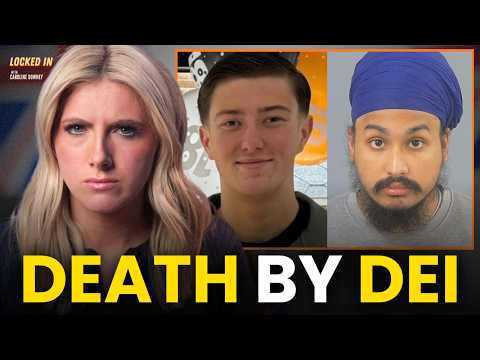
Piers Morgan UncensoredQuestions the competence of officers and the existence of racial bias in the initial police response.
leans
Questions the competence of officers and the existence of racial bias in the initial police response.
FramingQuestions the competence of officers and the existence of racial bias in the initial police response.
EmphasisPolice procedure and the potential for officer error.
Tonecommentary
Coverage from this source

Steven CrowderSuggests media entities are actively suppressing the story to avoid disrupting preferred socio-political narratives.
strong
Suggests media entities are actively suppressing the story to avoid disrupting preferred socio-political narratives.
FramingSuggests media entities are actively suppressing the story to avoid disrupting preferred socio-political narratives.
EmphasisMedia hypocrisy and narrative suppression.
Tonecommentary
Coverage from this source

The Daily SignalCritiques institutional DEI policies and immigration as the root causes of law enforcement's alleged failure to prioritize the victim.
strong
Critiques institutional DEI policies and immigration as the root causes of law enforcement's alleged failure to prioritize the victim.
FramingCritiques institutional DEI policies and immigration as the root causes of law enforcement's alleged failure to prioritize the victim.
EmphasisDEI policies and systemic bias against native populations.
Tonecommentary
Coverage from this source
Watch


Editorial note: This synthesis is based on a representative sample of the cluster's coverage and represents a largely right-coded ideological perspective on the event.