FDA Advisory Panel Backs Compounding of Popular Peptide Substances
AI-generated from linked reporting; may contain errors. Report an error.
Overview
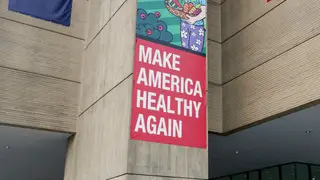
An FDA advisory committee has voted to allow compounding pharmacies to produce several peptides, a decision made against the warnings of agency staff. The development comes as these substances experience a surge in popularity due to promotion by health influencers and the 'Make America Healthy Again' movement.
Where they disagree
- Whether the inclusion of peptides on the compounding list represents a necessary step for patient access and innovation or a dangerous capitulation to social media-driven trends lacking clinical evidence.
Where they agree
- The FDA's Pharmacy Compounding Advisory Committee voted to permit the compounding of specific peptides such as BPC-157, KPV, TB-500, and MOTS-c.
- Internal FDA scientists raised concerns regarding the safety and efficacy of the peptides prior to the committee's vote.
- Public interest in these substances has been driven in part by wellness influencers and social media platforms.
Source Perspectives
Framing, emphasis, and tone labels are AI-generated interpretations of how each source covered this story — not direct quotations. Report an error.
Center / Mixed
1 sources
The HillFocuses on the procedural conflict and policy disagreement between the advisory committee and FDA scientific staff.
Focuses on the procedural conflict and policy disagreement between the advisory committee and FDA scientific staff.
FramingFocuses on the procedural conflict and policy disagreement between the advisory committee and FDA scientific staff.
EmphasisThe official regulatory process and the divergent views held by different factions within the agency.
ToneNeutral and analytical.
Right
3 sources
The Daily CallerEmphasizes the risks of unregulated health consumption and the potential dangers posed to adolescents by social media-driven health trends.
leans
Emphasizes the risks of unregulated health consumption and the potential dangers posed to adolescents by social media-driven health trends.
FramingEmphasizes the risks of unregulated health consumption and the potential dangers posed to adolescents by social media-driven health trends.
EmphasisConcerns over the influence of viral internet culture on public health regulation.
ToneCritical and cautionary.
Coverage from this source

The Daily SignalFrames the regulatory shift as a vital outcome for healthcare autonomy and innovation within the 'Make America Healthy Again' movement.
leans
Frames the regulatory shift as a vital outcome for healthcare autonomy and innovation within the 'Make America Healthy Again' movement.
FramingFrames the regulatory shift as a vital outcome for healthcare autonomy and innovation within the 'Make America Healthy Again' movement.
EmphasisAdvocacy for broader patient access to emerging therapeutic options.
ToneSupportive of reformists.
Coverage from this source
Washington TimesHighlights the tension between federal safety standards and the rise of influencers as authoritative figures in health decision-making.
leans
Highlights the tension between federal safety standards and the rise of influencers as authoritative figures in health decision-making.
FramingHighlights the tension between federal safety standards and the rise of influencers as authoritative figures in health decision-making.
EmphasisThe lack of clinical evidence supporting the peptides and the pressure exerted by public figures.
ToneSkeptical and investigative.
Coverage from this source